Imagine an education system that not only challenges your mind but also prepares you directly for the future, reducing stress while equipping you with practical skills. Sri Lanka’s educational landscape is on the cusp of a significant transformation, with proposed new reforms designed to achieve just that. These ambitious changes aim to redefine how students learn, are assessed, and transition into the professional world. From rethinking high-stakes examinations to championing technical and vocational pathways, the New Education Reforms promise a brighter, more relevant future for every student. Let’s dive deep into understanding these pivotal changes and their potential impact on your academic journey and career prospects.
Understanding the Need for Change: Why Sri Lanka’s Education System is Evolving
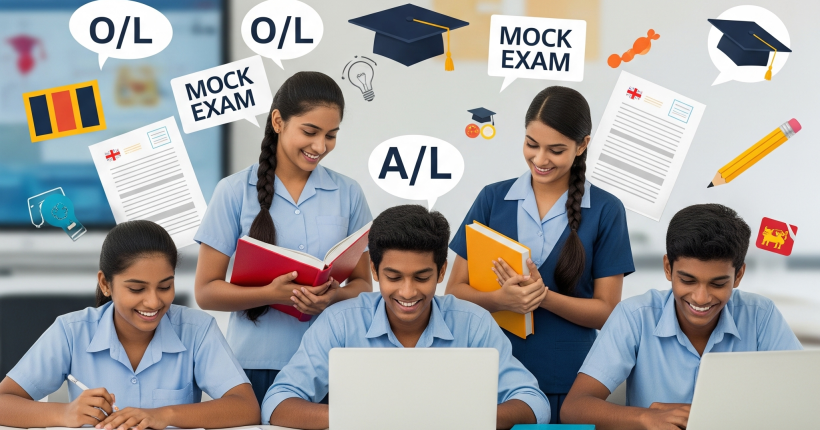
For decades, Sri Lanka’s education system has been lauded for its high literacy rates and commitment to free education. However, it has also faced increasing scrutiny for certain inherent challenges. The traditional model, heavily focused on rote learning and high-stakes national examinations like the Ordinary Level (O/L) and Advanced Level (A/L), has often inadvertently created an environment of immense pressure for students and parents alike. Success in these exams has been perceived as the sole gateway to higher education and respectable careers, leading to intense competition, mental health issues, and a curriculum that sometimes prioritizes memorization over critical thinking and practical application.
The Current Landscape: Challenges and Limitations
- Examination Pressure: The current structure places enormous weight on O/L and A/L examinations, often determining a student’s entire future path. This leads to excessive tuition culture, stress, anxiety, and a narrowing of focus away from holistic development. Students are often forced to specialize too early, limiting their exposure to diverse fields of knowledge and personal growth opportunities.
- Disconnect from the Job Market: A significant challenge has been the mismatch between the skills imparted by the education system and the demands of the modern job market. Many graduates, even those with strong academic qualifications, find themselves lacking the practical, technical, and soft skills required by industries, contributing to youth unemployment and underemployment.
- Overemphasis on Academic Pathways: The system has historically glorified academic degrees, often sidelining technical and vocational pathways. This societal bias has inadvertently devalued skilled trades and practical professions, despite their critical importance to economic development and innovation.
- Limited Flexibility: The rigid curriculum and assessment methods have offered limited flexibility for students to explore their true interests or adapt to evolving global needs.
Pillars of Progress: Key Elements of the New Education Reforms
The proposed **New Education Reforms** are designed to address these long-standing issues by introducing fundamental changes across two primary areas: reducing examination pressure and integrating technical and vocational education.
Addressing Examination Pressure: A Holistic Approach
One of the most significant aspects of the proposed reforms is the revision of age limits for conducting the Ordinary Level and Advanced Level examinations. This move is a direct response to the escalating pressure faced by students and aims to foster a more balanced and less stressful learning environment.
- Delayed Examination Age: The core idea here is to potentially delay the age at which students sit for these crucial national exams. By pushing back the O/L and A/L examinations, students would gain more time in their foundational and secondary schooling years for broader learning, exploration, and personal development without the immediate, looming pressure of high-stakes assessments. This could mean more time for extracurricular activities, sports, arts, and developing soft skills like teamwork, leadership, and problem-solving.
- Focus on Holistic Development: Reducing exam pressure isn’t just about delaying tests; it’s about shifting the paradigm from purely academic achievement to holistic student growth. This allows educators to focus on nurturing creativity, critical thinking, analytical skills, and emotional intelligence, rather than merely preparing students for rote memorization.
- Alternative Assessment Methods: While the specifics are still being ironed out, a reduction in exam pressure might also pave the way for incorporating more continuous assessment, project-based learning, and competency-based evaluations. These methods can provide a more comprehensive picture of a student’s abilities and understanding, rather than relying solely on a single examination performance.
- Benefits for Student Well-being: The most immediate benefit would be a significant reduction in student stress and anxiety, leading to improved mental health and overall well-being. It could also alleviate the financial burden on parents currently spent on extensive private tuition classes.
Important Note: The revision of examination age limits is a strategic move to provide students with a longer, more enriching learning journey, allowing them to mature intellectually and emotionally before facing critical academic milestones. This aims to foster a love for learning rather than a fear of failure.
Empowering Futures: Integrating Technical and Vocational Education (TVE)
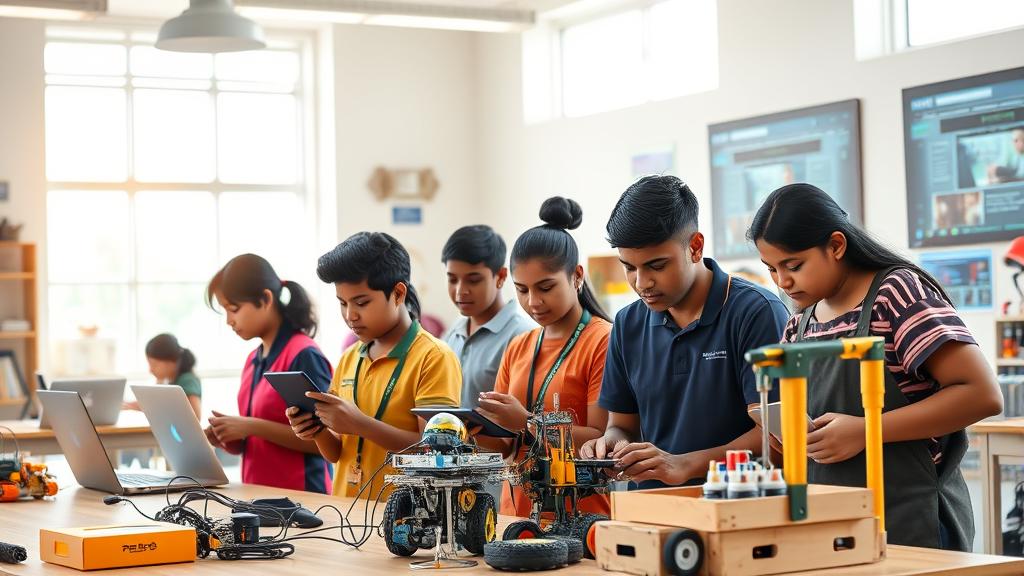
The second cornerstone of the **New Education Reforms** is the robust integration of Technical and Vocational Education (TVE) into the mainstream school curriculum. This initiative is designed to ensure that children who complete school education can enter the job market directly, equipped with relevant, in-demand skills.
- Early Introduction of Technical Subjects: The proposal advocates for introducing technical subjects at an earlier stage in schooling, potentially from Grade 9 or 10. This means that alongside traditional academic subjects, students will have the opportunity to learn practical skills in areas highly relevant to current and future industries.
- Diverse Vocational Pathways: This reform aims to create multiple pathways for students beyond the traditional university route. Examples of subjects that could be introduced include:
- Information Technology: Coding, web development, cybersecurity, data analytics, artificial intelligence basics.
- Robotics and Mechatronics: Fundamentals of automation, mechanical design, electronics.
- Digital Media and Marketing: Graphic design, content creation, social media management.
- Sustainable Agriculture Technology: Modern farming techniques, hydroponics, agricultural machinery operation.
- Hospitality and Tourism Management: Culinary arts, front office operations, event management.
- Construction Technology: Basic carpentry, plumbing, electrical wiring, sustainable building practices.
- Automotive Technology: Vehicle maintenance, diagnostics.
- Direct Job Market Entry: The primary objective is to equip students with certified skills that make them immediately employable upon completing their school education. This will significantly reduce the period of unemployment or underemployment for many school leavers, contributing directly to the national economy.
- Bridging the Skills Gap: By aligning the curriculum with industry needs, the reforms aim to bridge the existing skills gap, providing industries with a readily available pool of skilled labor. This will attract investment and foster economic growth.
- Enhancing Dignity of Labor: Integrating TVE into mainstream education also serves to elevate the status of vocational professions, challenging societal biases and promoting the dignity of skilled labor. This encourages students to consider diverse career paths based on their aptitudes and interests.
Broader Implications and Expected Outcomes
The proposed **New Education Reforms** are not merely superficial adjustments; they represent a fundamental shift in educational philosophy with far-reaching implications for individuals and the nation.
Fostering a Culture of Lifelong Learning
By reducing early exam pressure and introducing practical skills, the reforms can instill a genuine love for learning and exploration. This encourages students to view education as a continuous journey of skill acquisition and personal growth, rather than a race to pass examinations. This adaptability is crucial in a rapidly changing global landscape.
Bridging the Skills Gap and Boosting Economic Growth
A workforce equipped with relevant technical and vocational skills is a powerful engine for economic development. The reforms aim to create a generation of job creators and innovators, reducing reliance on foreign expertise and fostering local industries. This will contribute to higher productivity, increased exports, and overall national prosperity.
Ensuring Equity and Inclusivity
By offering multiple pathways to success, the new system promotes greater equity. It caters to a wider range of student aptitudes and interests, ensuring that every student has the opportunity to find their niche and contribute meaningfully to society, regardless of their academic prowess in traditional subjects. This inclusive approach ensures that no student is left behind due to a rigid educational structure.
Exam Tips for Students and Parents Navigating the Reforms
As these significant changes unfold, it’s natural for students and parents to seek guidance. Here are some tips to navigate the evolving educational landscape:
- Embrace Adaptability: Be open to new learning methods and assessment styles. The focus will shift from memorization to understanding and application.
- Explore Vocational Pathways: For students, actively investigate the technical and vocational subjects introduced. Consider how these skills align with your interests and future career aspirations. Parents should encourage this exploration and support diverse career choices.
- Focus on Skill Development: Beyond grades, prioritize developing critical thinking, problem-solving, communication, and digital literacy skills. These are invaluable for any future career.
- Engage with School Authorities: Stay informed by attending school meetings and communicating with teachers and career counselors to understand the specific implementation details of the reforms in your institution.
- Balance Academics and Extracurriculars: Use the potential reduction in exam pressure to engage more deeply in sports, arts, and other activities that foster holistic development.
Key Takeaways
- The New Education Reforms aim to transform Sri Lanka’s education system to be more student-centric and future-ready.
- A key component is the revision of O/L and A/L examination age limits to reduce student pressure and promote holistic development.
- The integration of Technical and Vocational Education (TVE) will equip students with direct job market skills, fostering immediate employability.
- These reforms seek to bridge the skills gap, reduce youth unemployment, and boost economic growth.
- The new system promotes a culture of lifelong learning, critical thinking, and diverse career pathways.
- Students and parents are encouraged to adapt to new learning paradigms and explore the broadened opportunities presented by the reforms.
References / Sources
- Ministry of Education, Sri Lanka (Official Website)
- National Institute of Education (NIE) – Education Reforms in Sri Lanka
- Daily News – New Education Reforms in Sri Lanka (Example News Article)